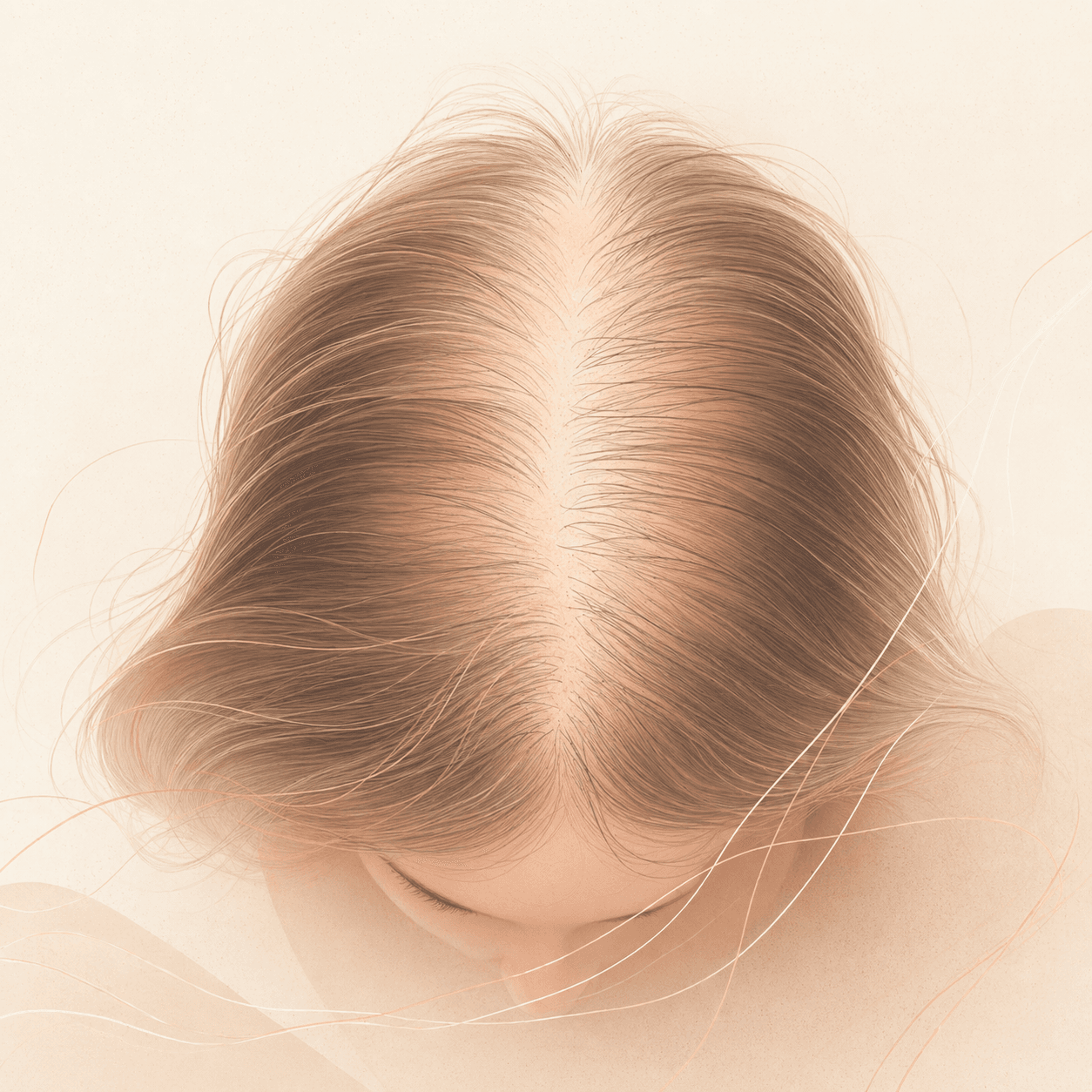
Male hair loss is one of the most common concerns affecting men across the UK — yet it remains one of the most misunderstood. Whether you've noticed a receding hairline in your twenties or significant thinning in your forties, understanding hair loss in men in the UK can help you take control before it progresses further.
In this guide, we cover what causes male hair loss, which treatments actually work, and how to get the right specialist help without waiting months.
What Causes Hair Loss in Men?
The vast majority of hair loss in men — around 95% of cases — is caused by androgenetic alopecia, better known as male pattern baldness. It's driven by a combination of genetics and the hormone dihydrotestosterone (DHT), which causes hair follicles to shrink over time until they stop producing hair altogether.
Male pattern baldness typically follows a predictable path: a receding hairline at the temples, thinning at the crown, and eventually more widespread loss. It can begin as early as your late teens or early twenties, though it becomes more prevalent with age. Studies suggest over 50% of men over 50 and as many as 85% of men by age 70 are significantly affected in the UK.
Other, less common causes of hair loss in men include:
- Alopecia areata – an autoimmune condition causing patchy hair loss
- Telogen effluvium – sudden shedding triggered by illness, stress, or nutritional deficiencies
- Scalp infections such as ringworm (tinea capitis)
- Traction alopecia – from tight hairstyles pulling on follicles
- Medication side effects – including some blood pressure drugs, cholesterol-lowering medications, and chemotherapy
If your hair loss is patchy, sudden, or accompanied by other symptoms, it's worth seeing a professional rather than assuming it's just pattern baldness.
Male Pattern Baldness Treatments That Actually Work
The good news is that effective treatments for hair loss in men do exist — but the earlier you start, the better the results. Here's what has the strongest clinical evidence:
Minoxidil
Minoxidil is available over the counter in the UK in 2% and 5% strengths (liquid or foam). It's applied directly to the scalp and works by increasing blood flow to hair follicles, extending their growth phase and stimulating regrowth — particularly at the crown.
Most men need to use minoxidil consistently for at least three to six months before seeing results. Stopping treatment reverses any gains. It's generally well-tolerated, though some men experience mild scalp irritation in the early weeks.
Finasteride
Finasteride 1 mg is a prescription-only oral tablet and the only MHRA-licensed treatment for male pattern baldness taken by mouth. It works by blocking the enzyme that converts testosterone to DHT — the hormone that shrinks hair follicles.
Clinical trials show finasteride halted hair loss in 83–87% of men after two years, with around two-thirds experiencing visible regrowth. Like minoxidil, it requires continuous use. Finasteride is not routinely available on the NHS (it's considered a cosmetic treatment), so most men obtain it via a private prescription.
Combination Therapy
Using both minoxidil and finasteride together is increasingly recommended by dermatologists for men with moderate to severe pattern baldness. Research suggests the combination produces better results than either treatment alone.
Hair Transplant Surgery
For men with more advanced hair loss, surgical options such as FUE (Follicular Unit Extraction) hair transplants are available privately in the UK. These are permanent solutions, but costly (typically £3,000–£15,000) and not available on the NHS.
NHS Hair Loss Treatment: What You Need to Know
Many men assume they can simply see their GP and get treated on the NHS. The reality is more complicated:
- Minoxidil is not available on NHS prescription — you buy it over the counter
- Finasteride for hair loss is rarely funded by NHS ICBs (Integrated Care Boards) as it's classed as cosmetic
- NHS dermatology referrals for non-urgent conditions like hair loss can have waiting times of six to eighteen months, depending on your region
- Your GP may suggest other causes worth ruling out (thyroid issues, iron deficiency, hormonal imbalances) and order blood tests before any referral
If your hair loss is causing significant psychological distress — which affects many men — your GP can take this into account when making a referral.
When Should You See a Dermatologist for Hair Loss?
Seeing a dermatologist for hair loss isn't just for extreme cases. It's worth seeking specialist advice if:
- Hair loss is rapid or patchy — this may indicate alopecia areata or another condition requiring diagnosis
- You're under 30 with noticeable thinning — early intervention gives the best outcomes
- Over-the-counter treatments haven't worked after 6 months
- You have scalp symptoms such as itching, redness, flaking, or scarring
- Hair loss is affecting your mental health — a dermatologist can help confirm the cause and lay out your options clearly
A dermatologist can examine your scalp under a dermatoscope, review your medical history, and provide a confirmed diagnosis — rather than guessing based on appearance alone.
Don't Wait 6–18 Months for a Diagnosis
One of the most frustrating aspects of dealing with hair loss in men in the UK is that NHS waiting times for dermatology can stretch from six months to over a year for non-urgent referrals. For a condition that progresses month by month, that delay can mean significantly more hair loss by the time you're seen.
Private dermatology consultations can cost £250–£400 or more per session, putting them out of reach for many.
That's exactly the gap that Hebra is built to address. Hebra is a skin health triage app that analyses your symptoms and connects you directly to a qualified dermatologist — without the long wait. Whether you're dealing with early-stage thinning or have been struggling to get answers for months, Hebra helps you cut through the queue and get expert advice fast.
Conclusion
Hair loss in men is incredibly common in the UK, but it's not something you simply have to accept without understanding your options. The most effective treatments — minoxidil and finasteride — are well-evidenced, safe for most men, and work best when started early. If you're unsure of the cause or haven't had success with off-the-shelf products, a dermatologist can provide the answers you need.
The challenge is getting seen in time. Don't let NHS waiting lists cost you months of unnecessary hair loss. Try Hebra at www.hebra.health to get triaged by a skin specialist and connected to a dermatologist who can help — quickly and affordably.
References